.png)
The Biggest Feng Shui Mistake I See in Bedrooms


As a Feng Shui Master, one of the biggest mistakes I see in some homes is that bedrooms are no longer being used purely as a place for rest.
Some bedrooms have slowly become multi-purpose rooms, part office, part gym, part entertainment room, and part laundry storage space. Computers sit glowing on desks, exercise equipment waits in the corner, televisions dominate the room, and baskets of washing become a permanent fixture at the end of the bed.
The problem is that your bedroom should be your sanctuary. It should feel calm, peaceful, nurturing, and restorative, a space where your body can fully switch off, recharge, and heal.
The Biggest Feng Shui Mistake in Bedrooms
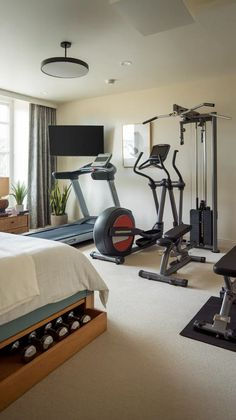
When a bedroom is filled with stimulating items, your nervous system never truly relaxes. Even if you are physically lying in bed, your subconscious mind is still responding to the energy of work, exercise, unfinished chores, and constant stimulation.
A computer represents work and mental activity. Exercise equipment activates “doing” energy rather than restorative energy. Televisions overstimulate the brain and often encourage poor sleep habits. Even piles of laundry can subconsciously create feelings of stress, overwhelm, or unfinished tasks.
Over time, this can affect the quality of your sleep, leaving you feeling mentally exhausted, emotionally flat, or unable to fully recharge.
In Feng Shui, the bedroom is considered one of the most important rooms in the home because it directly impacts your health, wellbeing, relationships, and energy levels.
Your bedroom should support deep rest.
What a Bedroom Should Contain
A restful bedroom does not need to be complicated. In fact, simpler is often better.
Ideally, a bedroom should contain:
A supportive and comfortable bed
Matching or balanced bedside tables
Soft bedside lamps
Calm and soothing décor
Minimal clutter
Soft furnishings and textures that feel nurturing
The goal is to create an environment that signals to your body: “You are safe to rest here.”
The Importance of Lighting
One thing I often recommend is changing harsh modern lighting, especially cool blue-toned globes.
Blue light can interfere with your circadian rhythm, the body’s natural sleep-wake cycle, making it harder to properly unwind at night.
Instead, choose softer, warmer lighting. Red or warm amber-toned lighting creates a much calmer atmosphere and helps support the body’s natural preparation for sleep.
Think soft hotel lighting rather than bright office lighting.
Your bedroom should feel gentle on the senses.
Simple Ways to Improve Your Bedroom Energy
Here are a few easy changes that can make a big difference:
Remove work-related items where possible
Relocate exercise equipment to another room
Turn off or remove televisions from the bedroom
Keep laundry baskets out of sight
Reduce clutter and unnecessary décor
Use soft, warm lighting instead of cool blue lights
Invest in quality bedding that feels comforting
Create a calming nighttime routine
Small adjustments can completely shift how a room feels. When your bedroom becomes a true place of rest, many people notice they sleep more deeply, wake feeling clearer, and feel calmer overall.
Your bedroom should not feel like a storage room for life’s unfinished tasks.
It should feel like a retreat from the world.
Wishing you a restful nights sleep. Dee x
Photo credit: Pinterest


Comments